Seychelles Weather in March — What It Feels Like & Why It Still Works for Yachts
Jan 22, 2026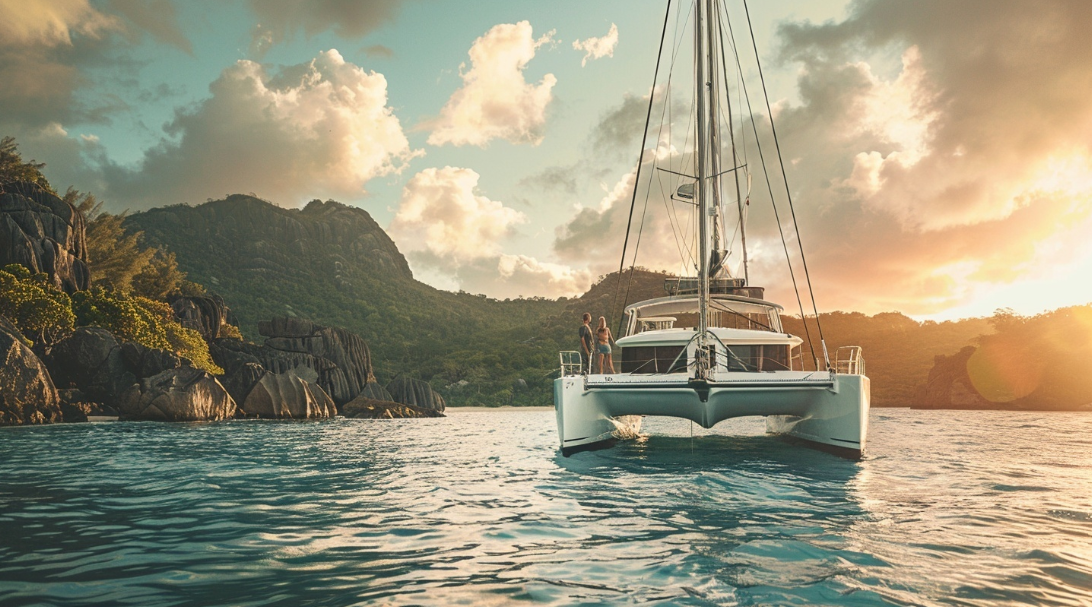
March sits at the tail end of Seychelles' wet season. The islands are still warm and lush from recent rains, but weather patterns are shifting toward calmer conditions, making the Seychelles weather in March feel transitional rather than extreme. Most days bring a mix of sunshine and brief showers, with temperatures remaining consistently high and ocean waters at their warmest of the year.
For yacht guests, this means fewer crowds on the water and pricing that often drops below peak season rates. The weather in Seychelles in March doesn't deliver endless blue skies, but it provides something different—dramatic cloud formations, vivid green hillsides, and seas that glow turquoise after passing storms clear the air.
General Feel of Seychelles in March
The atmosphere in March is marked by anticipation. Tropical showers become shorter and less frequent as the month progresses, though humidity remains noticeable throughout the day. Gardens burst with flowering plants, and the ocean maintains a glassy quality between weather systems, making sheltered bays particularly inviting.
Overall Climate Mood at the End of the Wet Season
The Seychelles tropical climate transitions during March from the northwest monsoon pattern toward calmer inter-monsoon conditions. Rain still arrives most afternoons, but these downpours rarely last more than 20 or 30 minutes. Between showers, the sun breaks through with intensity that makes the islands feel vibrant and alive.
Temperature fluctuations stay minimal. Mornings begin warm and sticky around 26°C, climbing to 30-31°C by midday before settling back to comfortable levels after sunset.
Heat, Humidity, and Daily Island Rhythm
Humidity levels in March hover between 75% and 80% on most days. The air feels thick, especially in sheltered valleys and during midday, when breezes drop. Coastal areas benefit from constant ocean airflow, which makes the warmth more manageable, though you'll notice moisture in the air regardless of location.
The daily rhythm follows a predictable pattern. Clear mornings give way to building clouds around noon. Rain arrives sometime between 2 PM and 5 PM, then clears quickly as evening approaches. This consistency helps with planning yacht outings and shore excursions.
How March Differs from February and April
February brings heavier rainfall and more persistent cloud cover. The Seychelles march weather marks improvement from that pattern, with sunshine becoming more reliable even as showers continue. April shifts further toward dry conditions, offering calmer seas and lighter winds as the southeast trade winds begin to establish themselves.
March occupies the sweet spot for travelers who want warm water and green landscapes without the busiest tourist crowds. Yacht availability stays high, and marina staff have more flexibility with departure times and route planning.
First Impressions for Travelers Arriving in March
Most visitors notice the warmth immediately upon stepping off the plane. The air wraps around you like a blanket—thick, tropical, unmistakably equatorial. Within hours, you adjust to the climate and start appreciating how the temperature makes swimming and water activities comfortable at any time of day.
The islands look their most photogenic after rain. Colors intensify, granite boulders glisten with moisture, and palm fronds drip water that catches sunlight, creating memorable photographs.
Activity Success Rates and Timing Strategies for March Yacht Charters
|
Activity Type |
Success Window |
Challenge Factor |
Backup Option |
Equipment Needs |
Guest Experience Level |
|
Deep-sea fishing |
6 AM - 10 AM |
Afternoon chop disrupts trolling |
Reef fishing in protected zones |
Light tackle, cooler storage |
Intermediate - requires patience with conditions |
|
Underwater photography |
8 AM - 11 AM |
Particle suspension after overnight rain |
Shallow lagoon macrophotography |
Waterproof camera, stabilization |
Beginner-friendly in calm bays |
|
Multi-island passage cruising |
7 AM - 1 PM |
Building cloud cover reduces navigation visibility |
Coastal hugging routes with landmarks |
Updated charts, GPS backup |
Advanced - requires weather reading |
|
Beach barbecue events |
5 PM - 8 PM |
Sand dampness from afternoon showers |
Onboard deck grilling under a canopy |
Portable setup, wind screens |
All levels - crew handles logistics |
|
Night swimming and stargazing |
8 PM - 11 PM |
Cloud cover blocks celestial views 60% of nights |
Bioluminescence watching in dark bays |
Underwater lights, safety lines |
All levels with supervision |
|
Kayak exploration of coastal caves |
9 AM - 12 PM |
Swell entry into rock formations is dangerous post-noon |
Mangrove channel paddling |
Stable recreational kayaks |
Intermediate - timing critical |
Temperature, Rain Patterns & Sea Conditions in March
The March climate in Seychelles combines several elements that yacht guests should understand before booking. The interplay among heat, precipitation, and ocean conditions determines which experiences work best during this transitional month.
Average Daytime Temperatures and Evening Comfort
Warm island temperatures in March range from 24°C at night to 31°C during peak afternoon hours. The narrow range means you never need warm clothing, but it also means you can't escape the heat entirely. Air conditioning becomes essential for comfortable sleep, and shaded deck areas on yachts get constant use.
Evening temperatures drop only slightly, settling around 26-27°C. Light cotton clothing works for all occasions, and swimming before dinner feels refreshing rather than cool.
Rainfall Frequency and Short Tropical Showers
Short rain showers in Seychelles typically last 15-45 minutes. The intensity varies—some days bring light sprinkles, while others produce heavy downpours that drum against yacht decks and turn calm anchorages choppy for brief periods. Monthly rainfall averages 150-180mm, distributed across 12-15 rainy days.
The key detail for yacht planning: rain rarely disrupts entire days. Morning departures usually happen under clear skies, allowing for several hours of cruising before weather develops. Smart scheduling puts swimming and snorkeling activities early in the day, saving onboard dining and relaxation for afternoon hours when showers are most likely.
Sea Temperature and Swimming Comfort
Ocean temperatures peak in March, reaching 29-30°C in sheltered lagoons and 28°C in open water. These conditions make extended swimming sessions comfortable without the need for wetsuits or thermal protection. Children and less confident swimmers appreciate how warm the water feels, removing any psychological barrier to getting in.
Snorkeling and swimming conditions benefit from this warmth. You can spend 45 minutes or longer exploring coral formations without feeling chilled, and the visibility often improves after rain clears suspended particles from coastal areas.
Light Conditions, Visibility, and Ocean Color
Clear skies and sunshine are most reliable in the morning hours. Light has a particular quality in March—soft and diffused when clouds build, sharp and intense when the sun breaks through after rain. Photographers find the changing conditions create dramatic images, though achieving perfect beach shots requires patience and timing.
Water visibility varies. Protected bays offer 15-20 meters of clarity on calm days, while open ocean areas can exceed 25 meters when conditions align properly. The turquoise color that makes Seychelles famous becomes most vivid after storms pass through.
March Conditions for Yacht Rental in Seychelles
Understanding how March weather affects actual yacht experiences helps set realistic expectations and maximize enjoyment. The weather seychelles march patterns create specific opportunities and limitations that experienced guests learn to work with rather than against.
Sea State and Cruising Comfort in March
Calm ocean conditions dominate during inter-monsoon periods, particularly in the second half of March. Swells typically measure 1-1.5 meters in open water between islands, dropping to flat calm inside protected areas. These moderate conditions suit most travelers, including those prone to seasickness, while still providing enough movement to feel like genuine sailing.
Yacht crews adjust routes based on daily forecasts. If wind and waves build from approaching weather systems, captains shift plans toward sheltered island chains where granite formations block swells and create mirror-smooth anchorages.
Wind Patterns and Their Impact on Sailing
Trade winds in March remain variable and generally light. You might experience days with 8-12 knot breezes that fill the sails beautifully, followed by flat-calm periods requiring motor assistance. The Seychelles seasonal transition means traditional southeast trade winds haven't fully established themselves yet, creating unpredictable but rarely extreme wind conditions.
For motor yachts, this variability matters less. Sailing vessels it requires flexibility and patience, accepting that some passages will be motored rather than sailed.
How Rain Affects Yacht Days in Practice
Moderate rainfall periods interrupt but don't cancel yacht activities. When afternoon showers arrive, guests typically move inside climate-controlled cabins or under covered deck areas. The rain cools the air temporarily, and many travelers find the experience refreshing rather than inconvenient.
Smart yacht operators stock extra towels and provide waterproof bags for electronics and personal items. Most vessels feature enough covered space that everyone can remain comfortable even during heavier downpours.
Calm Periods Between Showers for Smooth Cruising
The hours immediately following rain often provide the best cruising conditions. Air feels cleaner, visibility improves, and seas settle into smooth patterns perfect for photography and wildlife watching. Experienced yacht guests learn to appreciate these post-rain windows as premium moments for being on the water.
CharterClick crews monitor weather patterns closely, timing departures and activities to maximize these optimal periods throughout the day.
Best Yacht Experiences During March
Certain activities and routes work particularly well given March's specific weather characteristics. Ideal weather for yachts varies by destination and activity type, but several experiences consistently deliver satisfaction during this transitional month.
Lagoon Cruising and Short Island Routes
Protected lagoons offer lagoon-friendly conditions that remain enjoyable regardless of the weather. Anse Lazio, Baie Ternay, and the marine parks around Curieuse and St. Pierre provide sheltered water perfect for swimming, paddleboarding, and relaxed anchoring. Routes between nearby islands keep transit times short, allowing crews to reach protected anchorages quickly if weather deteriorates.
These shorter itineraries work especially well for families and first-time yacht guests who prefer certainty over adventure. You explore multiple locations without committing to long passages through potentially rougher conditions.
Sheltered Anchorages and Protected Bays
Granite boulder formations create natural harbors throughout the inner islands. These protected anchorages allow yachts to sit steady even when the wind picks up or rain arrives. The most popular spots include:
- Baie Sainte Anne on Praslin's east coast
- Port Launay Marine National Park near Mahé
- Anse Volbert's northern section, with its cal,m shallow water
- The protected western shores of La Digue
Anchoring in these locations meansthat onboard dining and relaxation happen in comfort regardless of passing weather systems.
Snorkeling, Swimming, and Onboard Relaxation
Seychelles beach conditions in March favor water activities during the morning hours, when visibility peaks and seas are calmest. Snorkeling sites around Moyenne Island and Ile Cocos deliver exceptional marine life encounters in water so warm you can stay in for hours.
Onboard relaxation becomes the afternoon default. Reading on shaded decks, napping in air-conditioned cabins, and watching rain sweep across the ocean create downtime that many guests find restorative. Yachts equipped with paddleboards, kayaks, and fishing gear offer activities that don't require leaving the immediate area.
Sunset Moments After Passing Rain Clouds
Post-rain sunsets in March produce spectacular color displays. Clouds break up into dramatic formations that catch pink and orange light, while moisture in the air creates vibrant reflections across the water. These moments make up for any earlier weather inconveniences.
Smart crews position yachts to face west in late afternoon, timing sundowner service to coincide with optimal viewing conditions.
Choosing Islands Based on March Weather
Different islands offer varying levels of weather protection and cruising comfort. Understanding these geographical advantages helps optimize yacht routes for March conditions.
Mahé as the Most Flexible Yacht Base
Mahé's size and position provide multiple options when the weather shifts. The island's west coast offers protection from northeast winds, while the south and east coasts are better suited to southwest winds. Marine weather patterns affecting Mahé are well documented, and local yacht operators have decades of experience reading conditions and adjusting plans accordingly.
Eden Island and the marinas around Victoria serve as convenient departure points with easy access to nearby islands and marine parks.
Praslin and Nearby Island Routes
Praslin sits centrally among the inner islands, allowing for short passages to Curieuse, La Digue, and the surrounding smaller islands. Island-hopping weather during March favors these compact routes where transit times rarely exceed 90 minutes between destinations.
The shallow waters and numerous protected bays around Praslin make it particularly suitable for March conditions when flexibility matters more than covering long distances.
Smaller Islands with Natural Wind Protection
Islands like Cousin, Cousine, and Aride offer natural lee protection depending on wind direction. Their positioning creates calm water on certain coasts regardless of broader weather patterns. Experienced crews use these islands strategically, positioning yachts on the protected side and timing visits for optimal conditions.
How Island Geography Shapes March Comfort
Seychelles' granite islands create their own microclimates. Weather approaching from the northwest hits differently depending on whether you're anchored on an island's windward or leeward side. A 10-minute repositioning can transform rough conditions into calm water perfect for swimming.
This geographical reality makes local knowledge valuable. CharterClick crews understand how each island's topography affects wind and waves, using this information to find comfort zones even during unsettled weather.
Who March Is Best For
Specific traveler types find March conditions particularly appealing despite the transitional weather patterns.
Couples and Honeymoon Travelers
Romance thrives in March's atmospheric conditions. Dramatic skies, warm rain showers, and uncrowded anchorages create intimate moments that feel more authentic than picture-perfect sunny days. The reduced number of tourists means popular spots like Anse Source d'Argent remain relatively peaceful.
Comfortable outdoor activities continue throughout the month, with beach walks and sunset watching enhanced rather than diminished by changing weather.
Yacht Guests Seeking Warm Water and Fewer Crowds
Oceanic conditions in March deliver the year's warmest water temperatures, while tourist numbers drop from peak-season levels. You enjoy premier snorkeling and swimming without the crowds that fill anchorages during July and August. Yacht availability stays high, making last-minute bookings easier and sometimes more affordable.
Flexible Luxury Travelers
Visitors who prioritize unique experiences over guaranteed sunshine appreciate March's character. The Seychelles in March weather creates an atmosphere—moody skies, dramatic light, intense colors—that makes the islands feel wild and untamed rather than manicured and tourist-ready.
Flexible travelers accept that some activities might shift to different times of day, understanding that this adaptability leads to richer overall experiences.
Visitors Who Prefer Atmosphere Over Perfect Skies
Some guests actively seek transitional seasons. They want to see destinations in their natural state rather than during manufactured "perfect" weather windows. March delivers this authenticity while maintaining comfortable temperatures and excellent water conditions.
The April transition weather begins appearing in late March, offering glimpses of the calmer, drier months ahead while retaining the wet season's lush greenery.
Practical Tips for Visiting Seychelles in March
Several practical considerations help maximize enjoyment during March yacht charters.
Planning Yacht Days Around Weather Windows
Seychelles' daily weather forecast services provide reliable guidance for trip planning. Most yacht crews check multiple sources each morning before finalizing the day's itinerary. Building flexibility into schedules allows for on-the-fly adjustments that take advantage of clear weather or avoid building systems.
Accept that rigid planning doesn't work well in March. The best experiences come from adapting to conditions rather than fighting against them.
What to Pack for Yacht Comfort
Light, quick-drying clothing works best. Include:
- Swimwear that dries quickly (you'll use it multiple times daily)
- Loose cotton shirts for sun protection
- Light rain jacket or waterproof shell
- Reef-safe sunscreen (essential despite cloudy periods)
- Waterproof phone case and dry bag for valuables
Leave heavy clothing at home. Seaside breeze comfort comes from minimal, breathable fabrics that work with the climate rather than against it.
Timing Activities Between Showers
Morning hours between 7 AM and noon offer the most reliable conditions for beach activities, photography, and shore excursions. Use this time for swimming, snorkeling, and exploring granite formations. Save onboard activities like reading, napping, and meal service for afternoon hours when rain becomes more likely.
This pattern maximizes productive time while working with rather than against typical March weather rhythms.
How Yacht Crews Adjust Routes in March
Professional crews constantly monitor conditions and adjust routes to maintain comfort and safety. This might mean changing anchorages, postponing longer passages, or swapping planned destinations for protected alternatives. March sailing weather requires this adaptive approach, and experienced operators make these changes seamlessly so guests don't feel shortchanged.
Trust your crew's local knowledge. Their route modifications almost always improve overall trip quality by avoiding rough conditions and finding optimal anchorages. The average temperature in March remains consistently comfortable, making these adjustments about sea state and visibility rather than aboutdramatic weather avoidance.