Seychelles Weather in July — Ideal Conditions for Sailing and Yacht Rentals
Mar 23, 2026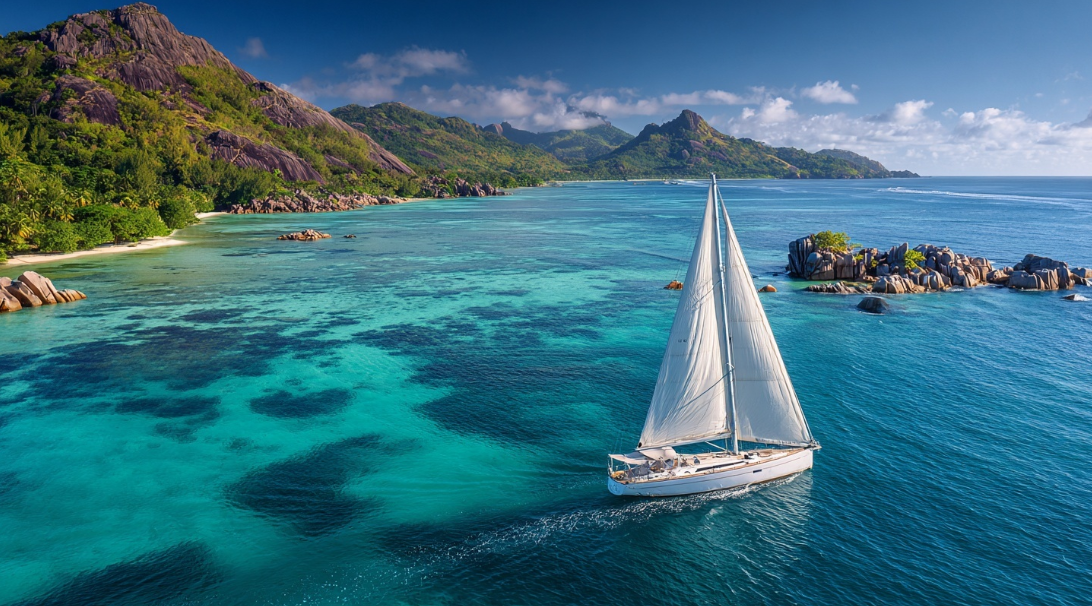
July arrives in Seychelles like a gift to anyone planning time on the water. The southeast trades take over, rain becomes a memory, and the archipelago settles into a rhythm that sailors genuinely plan their years around. Honestly, if you're trying to pick a month for a charter, this is probably it.
Seychelles July Weather Overview
The month belongs to the southeast monsoon period, which shapes conditions across the entire island chain. It's not just drier; it's fundamentally different in character from the northwest monsoon months that bookend the calendar year. Wind direction becomes consistent. Skies cooperate. The ocean behaves.
Trade Winds and Their Influence on Seychelles Weather
The Seychelles July weather trade winds and dry-season pattern define everything you experience on the water during this period. Southeast winds blow at 15 to 25 knots across the archipelago, arriving on schedule each morning and maintaining direction with the kind of reliability that makes passage planning genuinely straightforward. That predictability matters more than raw wind strength — knowing which way the breeze will blow tomorrow means routes can be plotted with real confidence rather than constant weather-watching anxiety.
Trade winds, Seychelles sailors learn to use, also do something important to the islands themselves. They push drier air across the terrain, suppress cloud formation over the ocean, and create a leeward-windward distinction on every granitic island. The southwest-facing shores see choppier conditions; the northeast coasts turn calm and protected. Experienced captains route around this distinction constantly.
Average Temperature and Humidity Levels in July
Air temperature in July ranges from 24°C to 29°C — warm, not oppressive. The Seychelles July weather is noticeably cooler than the December–January period, which regularly tips past 30°C with punishing humidity. Low-humidity yacht travel is a genuine benefit here: the trade winds strip moisture from the air, making deck life comfortable for hours at a stretch. Sea surface temperatures hold around 26°C, ideal for swimming without any thermal protection.
Here is a quick reference for July's key weather parameters compared to the wetter months:
|
Condition |
July (Dry Season) |
January (Wet Season) |
|
Average Air Temp |
24–29°C |
27–31°C |
|
Sea Surface Temp |
~26°C |
~28°C |
|
Average Rainfall |
40–60mm |
350–400mm |
|
Humidity |
Low–Moderate |
Very High |
|
Wind Speed |
15–25 knots SE |
10–15 knots NW |
|
Visibility Underwater |
20–25m+ |
8–15m |
|
Sailing Conditions |
Consistent, Favorable |
Variable, Choppy |
How July's Dry Season Affects Outdoor Activities
The dry season in Seychelles transforms what's actually possible outdoors. Trails stay firm. Beaches remain free of the debris and discoloration caused by freshwater runoff during wetter months. Activities that require calm, clear conditions — snorkeling, photography, leisurely anchorages — all become dramatically more consistent. Underwater visibility in some locations exceeds 25 meters during peak dry-season clarity.
How Seychelles Weather in July Enhances Yacht Travel
Seychelles weather in July creates a window that experienced charterers book out well in advance. The month doesn't just improve comfort — it expands what's actually accessible on a yacht, opens routes that are rough in other seasons, and makes multi-day itineraries reliable enough to plan in advance.
Consistent Trade Winds Perfect for Sailing
Ideal sailing conditions, July looks like this in practice: consistent breeze from the southeast, enough drive to make sailing between islands rewarding rather than laborious, and a wind pattern that holds through the afternoon rather than dying unpredictably. Tropical sailing conditions at this level mean passage-making between Mahé, Praslin, La Digue, and the outer groups becomes a pleasure — especially for crews who want genuine sailing rather than motoring from anchorage to anchorage.
Calm Waters for Yacht Charters and Cruises
Calm sailing waters concentrate on the leeward sides of the granitic islands during July, and those protected stretches are where most charter activity happens. Morning hours bring near-glassy conditions in sheltered bays. Guests who've never been offshore eat breakfast in the cockpit without anything rolling. Families with children find the motion manageable. That kind of stability changes the quality of the whole experience on board.
Ideal Conditions for Lagoon Exploration
Lagoon cruising in Seychelles peaks during the dry season months, and July sits right at the middle of that window. The shallow turquoise lagoons behind reef barriers — particularly around the inner granitic group and remote outer atolls — sit completely protected from open-ocean swells. Luxury yacht charters in Seychelles position guests in spots where the water clarity makes the anchor chain visible in 10 meters of depth, and the surrounding reef comes alive in the absence of sediment and surge.
Why July Is the Best Time for Yacht Rentals
High demand yacht charters tell the story clearly — July and August fill faster than any other months in Seychelles. The combination of reliable wind, low precipitation, and comfortable temperatures creates a peak window that appeals to everyone from blue-water sailors to first-timers wanting a few days anchored somewhere genuinely remote. Best yacht rentals in Seychelles book weeks or months in advance during this period. Waiting until two weeks before departure means working with whatever remains.
Seychelles' Dry Season — Why July Is Perfect for Yacht Charters
The weather in Seychelles in July sits within the broader dry season arc that runs from May through October, but July occupies a particularly settled stretch. The transitional turbulence of early May has passed. The winds haven't yet begun softening toward the inter-monsoon shift of late September. What you get is the dry season at its most stable and consistent.
Predictable, Sunny Days
Calm, sunny days in Seychelles define the July morning experience almost without exception. Cloud builds occasionally over high inland terrain in the afternoon — particularly above Mahé's central mountains — but open-water conditions stay clear. Predictable sailing weather means departure times become choices based on tide and preference, rather than on anxiety about incoming weather systems.
Limited Rainfall and Low Humidity
Rainfall across the inner islands in July averages 40 to 60mm — a fraction of what January delivers. When rain does appear, it tends to arrive as brief afternoon showers that clear within the hour and leave no lasting impact on conditions. Seychelles weather in July: travel visitors quickly realize a light jacket is worth carrying, but rarely needs to be used. Dry air also means electronics behave, woodwork stays stable, and sleeping below deck doesn't require air conditioning.
Impact of Trade Winds on Yacht Travel Comfort
Private yacht charters gain a specific advantage from July's wind pattern that goes beyond sailing performance. The constant southeast breeze flows through hatches and across decks, providing natural ventilation that keeps interior spaces fresh without mechanical cooling. Evening passages, when the sun drops and the breeze holds, are genuinely some of the finest moments the Indian Ocean offers.
Best Yacht Routes and Locations to Explore in July
Seychelles' July weather creates route possibilities that differ significantly from those during the northwest monsoon season. The southwest shores of the main islands — exposed and choppy during July — become the windward side to avoid; the northeast coasts open up as calm, accessible anchorages ideal for extended stops.
Inner Islands vs Outer Islands for Sailing
Inner island circuits — Mahé to Praslin, across to La Digue, north to Silhouette — suit most charterers because the distances stay comfortable for day sails and anchorage variety stays high. The outer islands, including the Amirantes group and remote atolls like Alphonse, demand more range and a longer commitment but offer near-total isolation. Luxury yacht travel in the Seychelles is increasingly moving toward these outer destinations for guests who want to vanish completely from the tourist circuit.
Secluded Coves and Beaches Accessible Only by Yacht
Yacht access to secluded islands is one of the clearest arguments for chartering over land-based travel. Anse Marron on La Digue, reachable only by boat or a long coastal scramble, sits empty midweek while the main beaches fill with day visitors. A yacht turns inaccessible into routine — anchor off a boulder-strewn cove, swim to shore, spend the morning with no one else around.
Exploring Pristine Reefs and Protected Bays
Sainte Anne Marine National Park, the waters around Curieuse, and the reef systems off the Outer Islands offer snorkeling and diving visibility that extends to 25 meters or more during July's clear conditions. Sheltered geography keeps surface conditions flat enough that approaching by dinghy or swimming off the stern platform requires no particular skill or preparation.
Planning Activities Around July's Ideal Weather
July's conditions don't just improve sailing — they open up every outdoor activity the archipelago supports. Calm water, dry air, and reliable sun create a full program beyond the boat itself.
Snorkeling and Diving in Calm Waters
Flat surface conditions make entry and exit effortless, and improved visibility transforms reef exploration into something genuinely spectacular. Drift snorkeling over turtle grass meadows, approaching reef sharks in clear water, watching a hawksbill feeding undisturbed — these experiences depend on exactly the calm, clear conditions July delivers.
Beach Days and Relaxing on Secluded Islands
A typical beach stop in July means anchoring in three meters of water, swimming to shore across clear shallows, and finding a stretch of granite-backed white sand largely unoccupied. No freshwater runoff clouded the shallows. No debris washed down from rain-soaked hills. Just the beach in its actual state.
Nature Walks and Scenic Views From Your Yacht
Seychelles rewards curiosity on land as much as underwater. Giant tortoises wander beaches on certain outer islands. Coco de mer palms grow nowhere else on earth. The granite boulders — that visual signature of the inner islands — look extraordinary from the water in July's clear, low-humidity afternoon light.
Practical Tips for Sailing in Seychelles During July
Seychelles july weather rewards preparation. Conditions are consistently favorable, but the southeast monsoon brings real wind, genuine swell on exposed passages, and a sun strong enough to cause trouble for the underprepared.
What to Pack for Comfortable Yacht Travel
July calls for a specific kit rather than generic "tropical vacation" packing. Long-sleeved UV-rated shirts outperform sunscreen on full-deck days. Polarized sunglasses matter more than most people expect when navigating shallow reef approaches and reading water depth by color. One warm layer for evening passages, when the trade wind noticeably drops the apparent temperature, earns its bag space every single time.
- Light, breathable UV-rated clothing for long deck hours
- Wide-brim hat and polarized sunglasses for reef navigation
- One mid-layer for evening passages when wind chill builds
- Reef-safe sunscreen for any water time near protected marine parks
Preparing for Winds and Possible Swells
Twenty-knot days are routine in July. Windward passages — particularly between islands on the exposed southwest side — produce short, steep chop that affects guests unaccustomed to offshore motion. The answer isn't to avoid sailing; it's to route through leeward passages where shelter exists, time open-water crossings for the calmer morning hours, and brief guests honestly about what exposed stretches will feel like before departure.
Timing Your Sailing Routes for the Best Experience
Early departures — between 7 and 9 am — consistently produce the smoothest passages. The trade wind builds through the day, meaning midday and early afternoon crossings on exposed routes deliver the most motion. Local captains know which channels favor the current in your direction and which anchorages offer true protection from the south. That knowledge shapes the whole rhythm of a July charter, turning what might feel like logistics into a seamless sequence of good days on the water.